


The world of parenting is constantly evolving, with new tools and philosophies emerging to support families in nurturing their children’s development. Among these innovations, a growing buzz surrounds a new approach to playtime, centered around the concept of spinmama. This isn't just about another toy or gadget; it represents a shift in understanding how to engage children in meaningful activities that foster creativity, physical activity, and crucial developmental skills. Parents are increasingly seeking ways to move beyond passive screen time and offer their kids enriching experiences that promote holistic growth.
The desire to provide the best for our children drives this search for innovative play solutions. Modern families often grapple with busy schedules and limited space, making the need for versatile and engaging playtime options even more pressing. This is where the appeal of the spinmama method lies – its adaptability and focus on maximizing developmental benefits through simple, interactive play. It prioritizes interaction – between parent and child, and between children themselves – fostering connections that enrich the entire family experience. It’s about reclaiming playtime as a vital component of a child’s well-being, and it's resonating with parents eager to embrace a more intentional and joyful approach.
At its heart, the spinmama methodology is built upon the premise that interactive play is the most effective catalyst for a child’s development. This isn't simply about providing toys; it’s about actively engaging with the child during playtime, responding to their cues, and fostering a sense of shared discovery. This approach moves away from rigidly structured activities and embraces a more fluid, child-led approach, where the parent serves as a facilitator rather than a director. The focus shifts from achieving a specific outcome to enjoying the process of exploration and learning. This creates a secure environment where children feel empowered to experiment, make mistakes, and develop their problem-solving abilities.
Sensory play is a cornerstone of the spinmama philosophy. Engaging a child’s senses – through textures, sounds, sights, smells, and even tastes (safely, of course!) – is crucial for brain development and cognitive growth. Simple activities like playing with water, building with blocks, or creating art with different materials can provide a wealth of sensory input. This type of stimulation helps children develop their understanding of the world around them and builds neural pathways that support future learning. It's also a fantastic way to encourage creativity and self-expression, allowing children to explore their imagination and develop their unique sense of self.
| Developmental Area | Corresponding Play Activity |
|---|---|
| Gross Motor Skills | Obstacle courses, dancing, playing chase |
| Fine Motor Skills | Building with blocks, threading beads, drawing |
| Cognitive Development | Puzzles, storytelling, pretend play |
| Social-Emotional Development | Role-playing, collaborative art projects, cooperative games |
The table above demonstrates how various play activities can effectively target different areas of a child’s development. Incorporating a balance of these activities into a child’s routine, facilitated through an interactive approach, is central to the spinmama way of thinking about play and growth.
The environment in which a child plays has a profound impact on their experience. A well-designed play space should be safe, stimulating, and inviting. It doesn't need to be large or expensive; rather, it should be thoughtfully curated with materials that encourage exploration and creativity. Decluttering the space and providing open-ended toys – those that can be used in multiple ways – are key elements. Avoid overstimulation by offering a limited number of toys at a time, rotating them regularly to maintain interest. The goal is to create a space that inspires imagination and allows children to take the lead in their play.
Open-ended toys, such as building blocks, art supplies, dress-up clothes, and natural materials like sticks and stones, offer children limitless possibilities for play. Unlike toys with a specific function, these materials invite children to use their imagination and creativity to invent their own games and scenarios. This type of play fosters problem-solving skills, critical thinking, and self-expression. The lack of predefined rules allows children to experiment, take risks, and develop their own unique way of interacting with the world. These toys aren't just fun; they’re powerful tools for learning and development.
Implementing these strategies can transform any space into a vibrant and engaging play environment, fostering a love of learning and exploration in children. A thoughtful arrangement of readily available resources makes play accessible, and encourages independence.
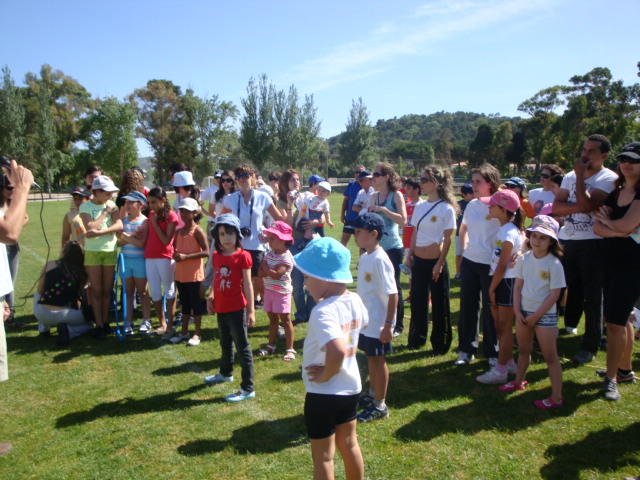
In today’s increasingly sedentary world, it’s more important than ever to encourage physical activity in children. Movement is not only essential for physical health but also plays a crucial role in cognitive development and emotional well-being. The spinmama approach emphasizes incorporating movement into playtime, through activities like dancing, running, jumping, and playing games that require physical exertion. This can be as simple as building an obstacle course in the living room or having a dance party in the kitchen. The key is to make it fun and engaging, so children will naturally want to participate. Encouraging outdoor play whenever possible is also highly beneficial, providing opportunities for exploration and connection with nature.
Outdoor play offers a wealth of benefits that cannot be replicated indoors. Exposure to fresh air and sunlight boosts vitamin D levels, which are essential for bone health and immune function. Spending time in nature reduces stress and anxiety, improves mood, and enhances creativity. Outdoor environments also provide opportunities for children to develop their gross motor skills, practice problem-solving, and learn about the natural world. From building forts to exploring forests, the possibilities for outdoor play are endless. Allowing children the freedom to explore and connect with nature fosters a sense of wonder and appreciation for the environment.
By prioritizing movement and physical activity, parents can help their children develop healthy habits that will last a lifetime. This holistic approach to well-being ensures that children are not only physically fit but also emotionally resilient and mentally sharp.
Playtime needs evolve as children grow and develop. What is engaging for a toddler will likely bore a preschooler, and vice versa. The spinmama framework is adaptable and provides principles rather than rigid rules; it encourages tailoring activities to suit the child’s age and developmental stage. For infants, focus on sensory exploration and gentle interaction. Toddlers benefit from simple games that encourage movement and problem-solving. Preschoolers thrive on imaginative play and opportunities for social interaction. School-age children enjoy more complex games and activities that challenge their skills and knowledge. Understanding these developmental milestones is key to creating playtime experiences that are both stimulating and appropriate.
While home-based play is essential, extending playtime to include community engagement and playgroups offers significant benefits. These settings provide opportunities for children to socialize, learn to share, and develop their social-emotional skills. Playgroups allow children to interact with peers, learn to navigate social situations, and build friendships. Community activities, such as library story times or park playdates, expose children to new experiences and broaden their horizons. These interactions also provide parents with a valuable support network, allowing them to share ideas, learn from each other, and build a sense of community. Finding and participating in these groups can enrich the playtime experience for both children and parents.
Exploring opportunities like cooperative preschools or toddler music classes can further enhance the social and developmental advantages of group playtime. These structured environments provide expert guidance and curated activities specifically designed to promote growth in young children. The benefits extend beyond the children, fostering a sense of connection and camaraderie among parents as well. This collective approach to early childhood development underlines the importance of shared experiences and mutual support in raising thriving, well-adjusted individuals. The underlying principle of spinmama – creating enriching, interactive play – is amplified through these communal interactions.